Expert Kidney Stone Care You Can Trust

With a patient-first approach
Dr. Manoj offers expert guidance and advanced options for kidney stone management.
Experiencing Symptoms of Kidney Stones?

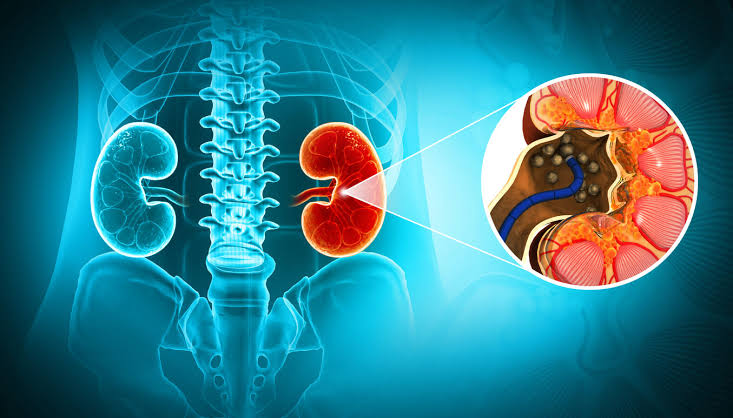
Kidney stone symptoms can range from mild discomfort to excruciating, sudden pain. Early recognition of these key warning signs can help you seek timely medical intervention and prevent potential complications.

Severe pain

Pain during urination

Blood in urine

Frequent urinate

Nausea/vomiting

Difficulty passing urine

These symptoms may be related to kidney stones, but a proper medical evaluation is necessary for an accurate diagnosis.

Kidney Stone Treatment Options

Treatment for kidney stone depends on various factors such as the size, location and type of stone.
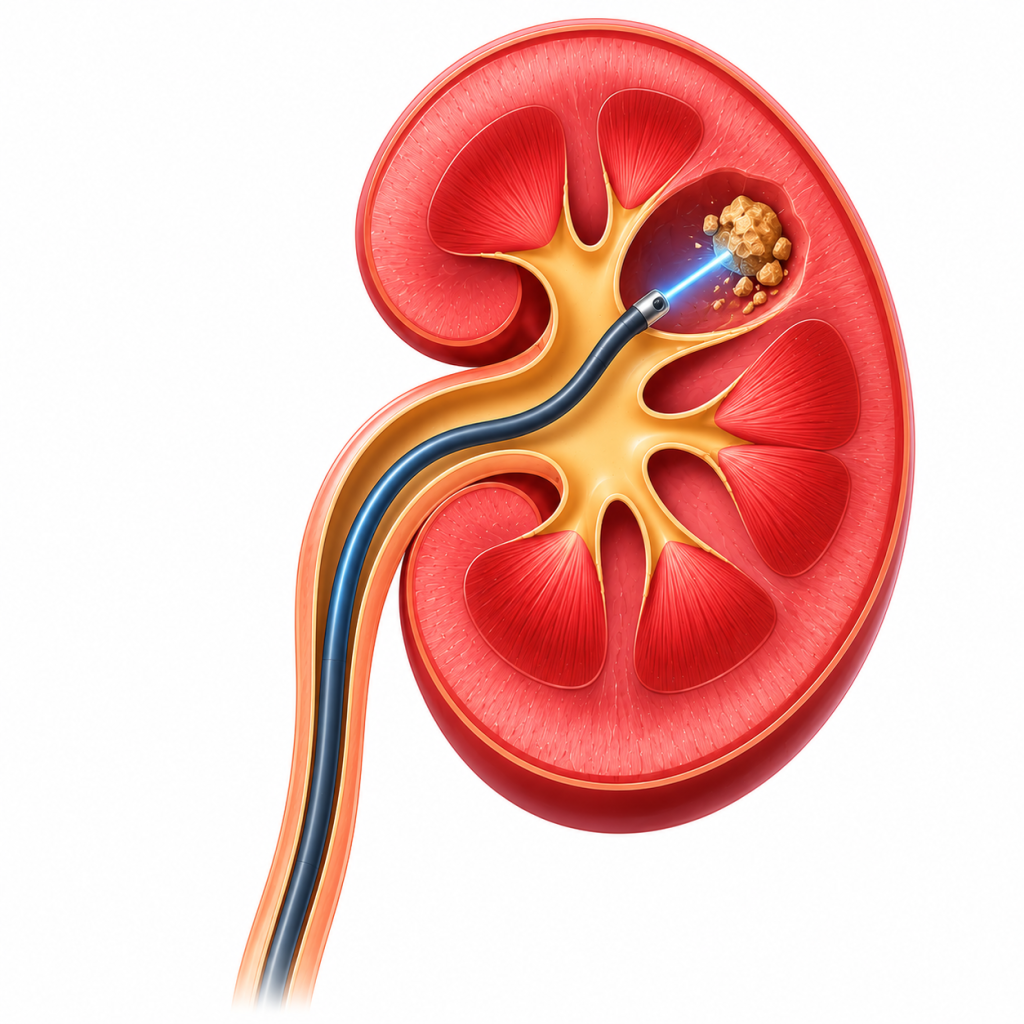
RIRS

Retrograde Intrarenal Surgery
a minimally invasive technique to treat stones in the kidney.
RIRS

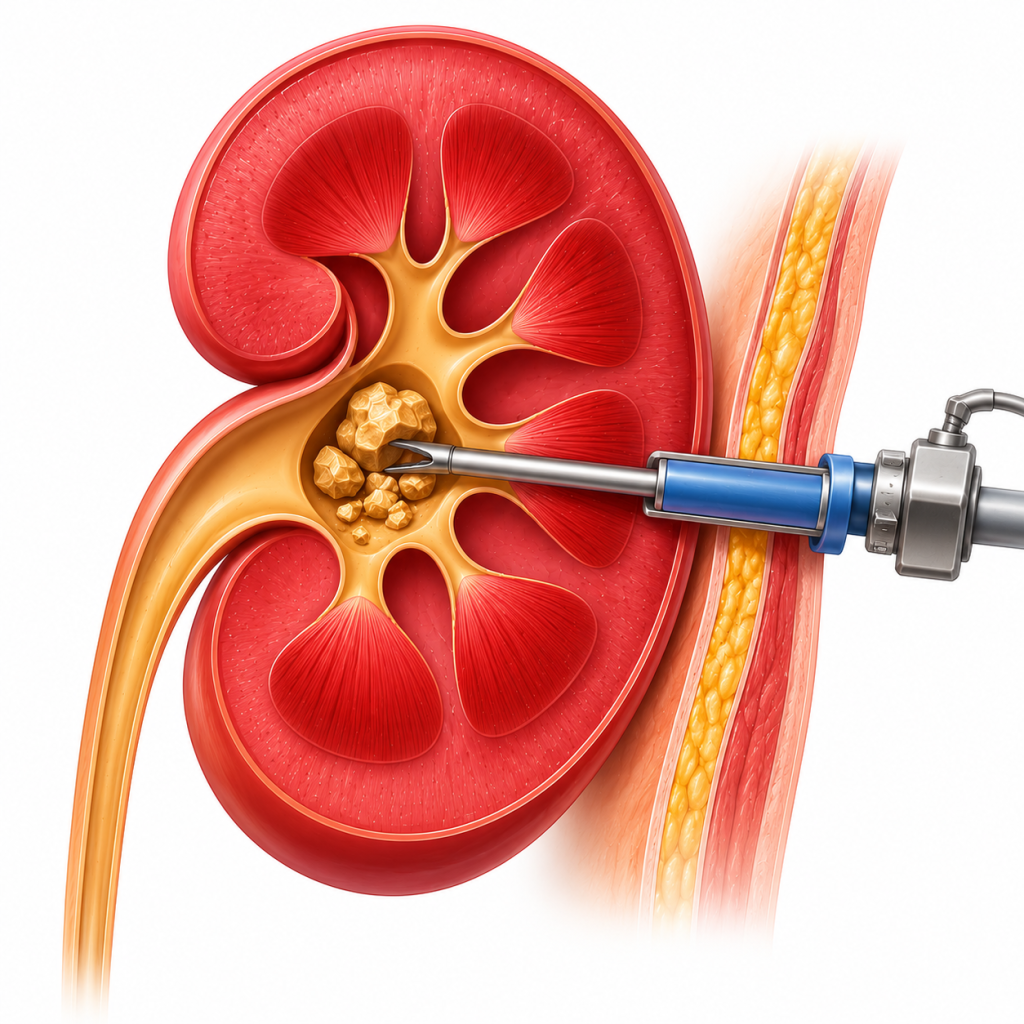
PCNL

Percutaneous Nephrolithotomy –
commonly used for larger kidney stones.

PCNL

Why Consult Dr. Manoj?

Dr. Manoj is committed to providing outstanding, personalized urological care. Utilizing state-of-the-art diagnostics and evidence-based treatments, patients receive safe, comprehensive, and highly precise medical management.
Consult Dr. Manoj for expert advice on kidney stone treatment.

Your Kidney Stone Consultation Journey

Clear, step-by-step clinical guidance from your initial inquiry to a personalized, highly effective recovery plan.

Call the Clinic

Connect directly with our patient care team to share symptoms and fast-track your clinical intake.

Schedule a Consultation

Book a rapid-access appointment at a time that works best for your immediate relief and schedule.

Get Medically Evaluated

Undergo high-resolution imaging and detailed urological assessments to confirm stone dimensions.

Discuss Treatment Options

Collaborate on a treatment plan, exploring therapeutic options from conservative monitoring to laser therapies.

RIRS vs PCNL

Understand the differences between two advanced kidney stone treatment procedures.

Treatment Feature

RIRS

PCNL

Surgical Access

Natural urinary passage
Small incision in the back

External Incision

No external incision
Yes, a small incision

Stitches

Usually no external stitches
May require stitches

Instrument

Flexible ureteroscope
Nephroscope

Stone Treatment

Laser fragmentation
Stone fragmentation and removal

Stone Size

Often suitable for small to medium stones
Particularly useful for large stones

Recovery

Generally quicker
Depends on procedure and stone complexity

Best Suited For

Selected kidney stones
Large or complex kidney stones
PATIENT SUPPORT

Frequently Asked Questions

Find clear, expert answers to your questions about kidney stone symptoms, cutting-edge treatment options like RIRS laser surgery, recovery expectations, and when to seek immediate care.

What are the common symptoms of kidney stones?

Kidney stones often cause severe, sharp pain in your back, side, or lower abdomen. Other common symptoms include blood in your urine (which may look pink, red, or brown), burning or pain during urination, a constant urge to urinate, and occasionally nausea and vomiting.
Yes, many small kidney stones (typically under 4mm) can pass naturally with increased fluid intake, medication, and pain management. Stones between 4mm and 6mm have about a 50% chance of passing on their own, while stones larger than 6mm rarely pass without clinical intervention.
Surgical or active removal is necessary when a stone is too large to pass, is causing continuous, unmanageable pain, blocks the flow of urine, is associated with a urinary tract infection (UTI), or threatens overall kidney health.
Laser treatment, or laser lithotripsy, is a minimally invasive procedure where a small fiber scope is passed into the urinary tract. A highly targeted Holmium laser is then used to break the stone into tiny dust-like fragments that can be easily washed out during the procedure or passed in urine.
Retrograde Intrarenal Surgery (RIRS) is an advanced, non-invasive procedure where a flexible ureteroscope is passed through natural pathways directly into the kidney. A laser breaks up the stones, and a tiny ‘basket’ tool safely extracts the fragments without any external incisions.
Most patients return to light activities within 24 to 48 hours following a minimally invasive laser or RIRS procedure. However, if a temporary stent is placed in the ureter to aid healing, minor discomfort may persist until it is removed, typically within 5 to 10 days.
You must seek immediate urological evaluation if your pain becomes unmanageable, if you experience a high fever or chills (indicating infection), if you have severe vomiting, or if you are completely unable to pass urine.

Need Medical Advice for Kidney Stones?

Contact our clinic to schedule a consultation with Dr. Manoj.